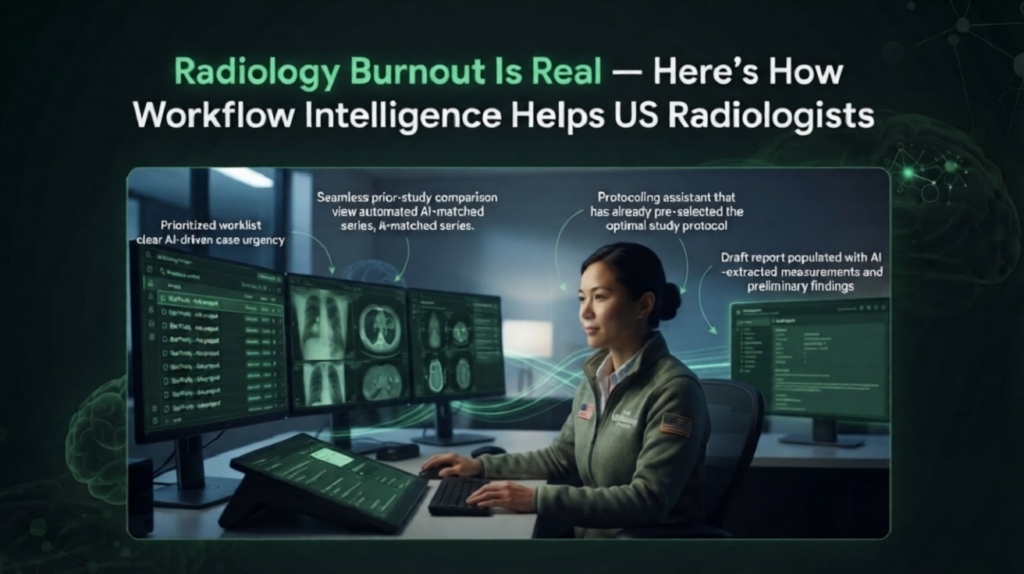
Radiology Burnout Is Real — Here's How Workflow Intelligence Helps US Radiologists

Ask almost any radiologist in the US how their day is going, and you’ll likely hear some version of the same thing: too many scans, not enough hours, and no real end in sight. This isn’t just a rough patch. It’s a pattern that’s been building for years, and it has a name — radiology burnout — and it’s costing the healthcare system more than most people realize.

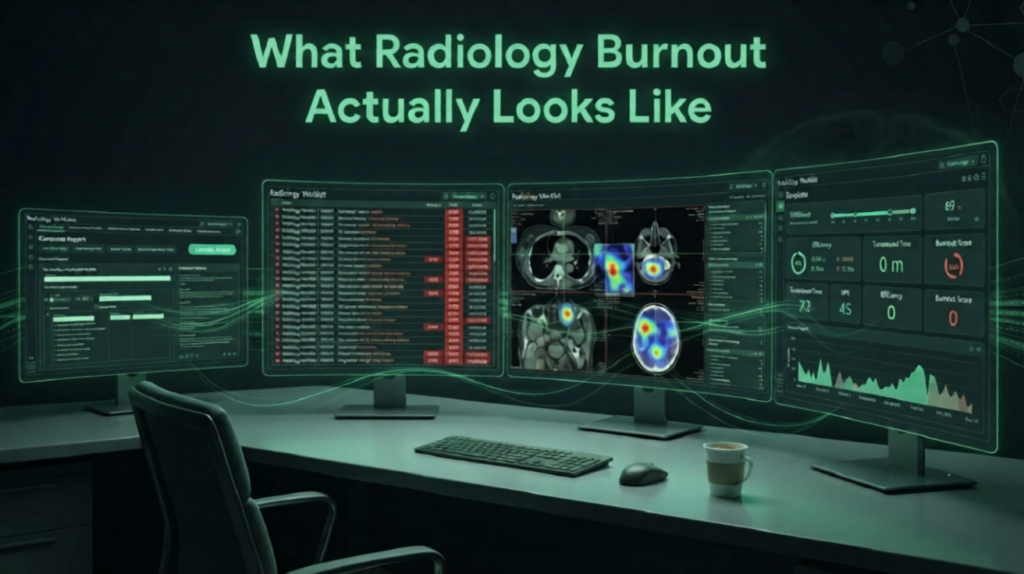
What Radiology Burnout Actually Looks Like

Burnout doesn’t usually show up as one dramatic breaking point. It creeps in slowly, through things like:

Surveys of US radiologists consistently show burnout rates above 40%, and in some subspecialties even higher. That's not a small subset of tired doctors — it's close to half the profession feeling stretched past a sustainable pace.

Why It's Getting Worse, Not Better

A few things are colliding at once. Imaging volume keeps climbing every year, driven partly by an aging population and partly by how much easier it’s become to order a scan. At the same time, there simply aren’t enough radiologists being trained to keep pace with that growth. Add in the administrative side of the job — documentation, communication, chasing down prior studies — and you get a role where a shrinking number of people are doing more work with less support.

The result isn’t just tired doctors. It’s a real patient safety issue. Fatigue affects attention, and attention is the whole job in radiology. A missed subtle finding at the end of a 12-hour shift isn’t a character flaw — it’s what happens to any human brain under that kind of sustained load.

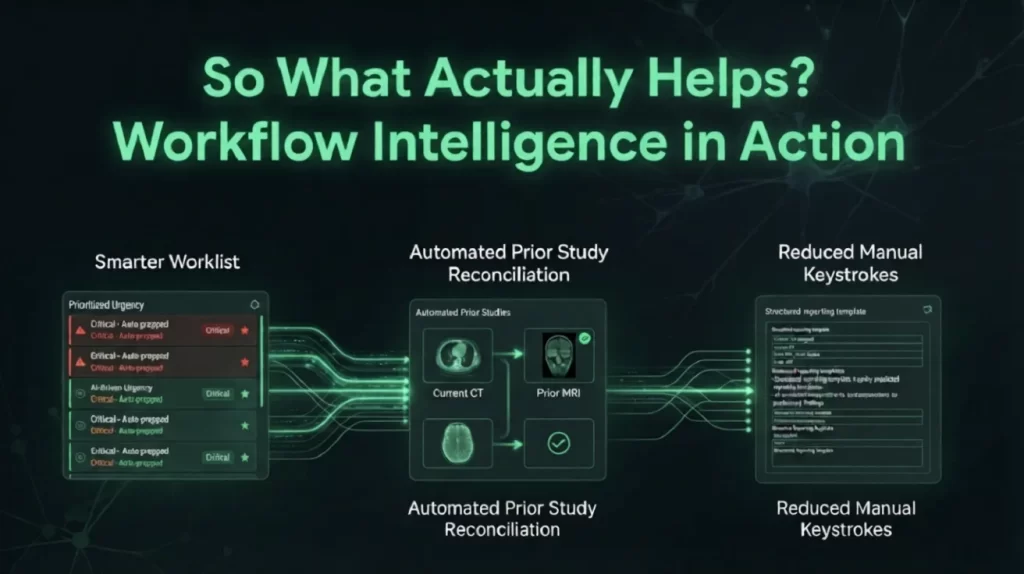
So What Actually Helps?

This is where the phrase “workflow intelligence” comes in — and it’s worth explaining in plain terms, because it’s not just another AI buzzword.

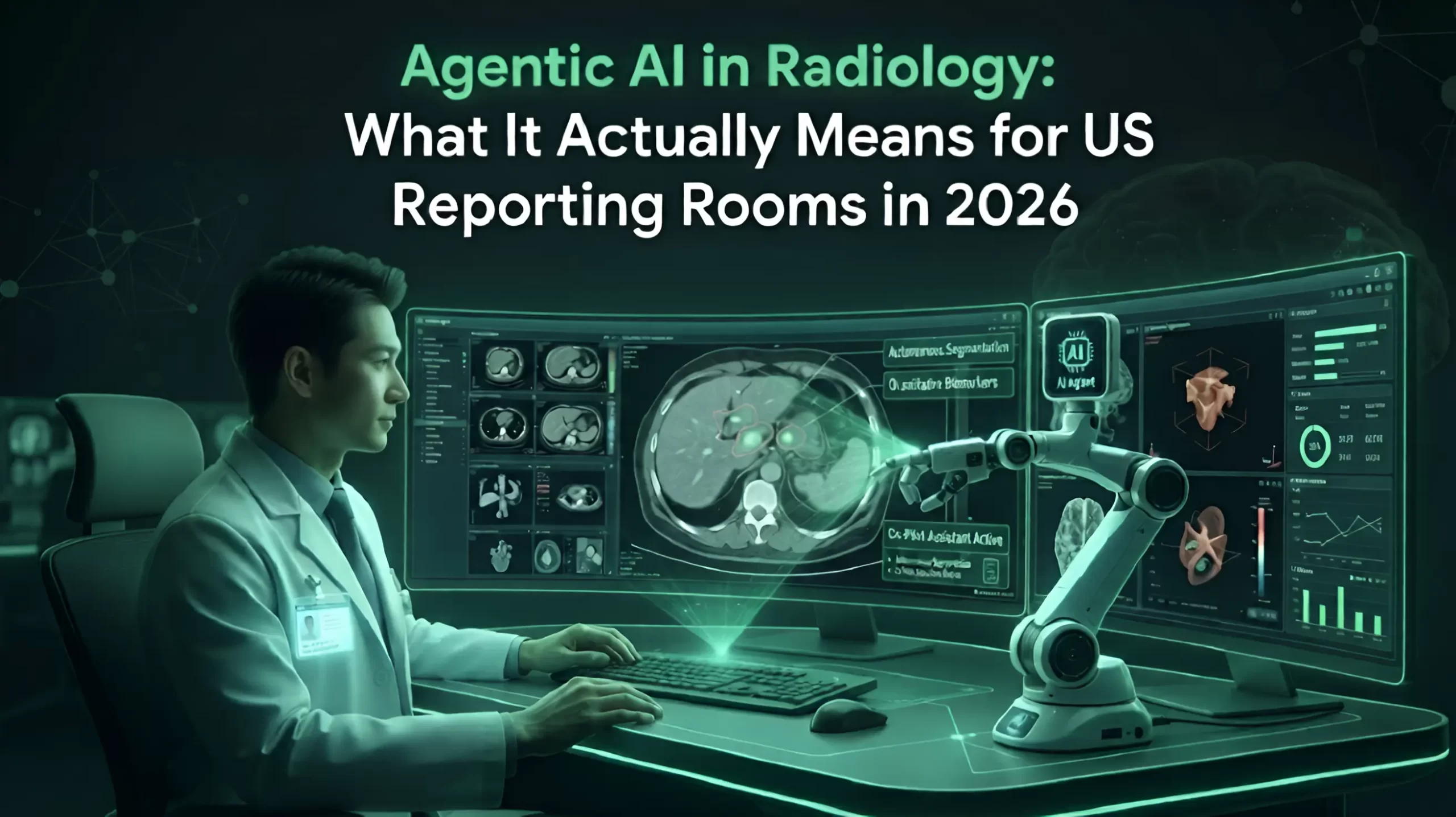
Workflow intelligence isn’t about replacing radiologists with algorithms that read scans instead of them. It’s about removing the parts of the job that eat up time and energy without actually requiring a radiologist’s expertise. Think of it as clearing the clutter so the radiologist can spend their limited focus on the part of the job that actually needs a trained human brain — making the call on what’s in the image.

Here’s what that looks like in practice:

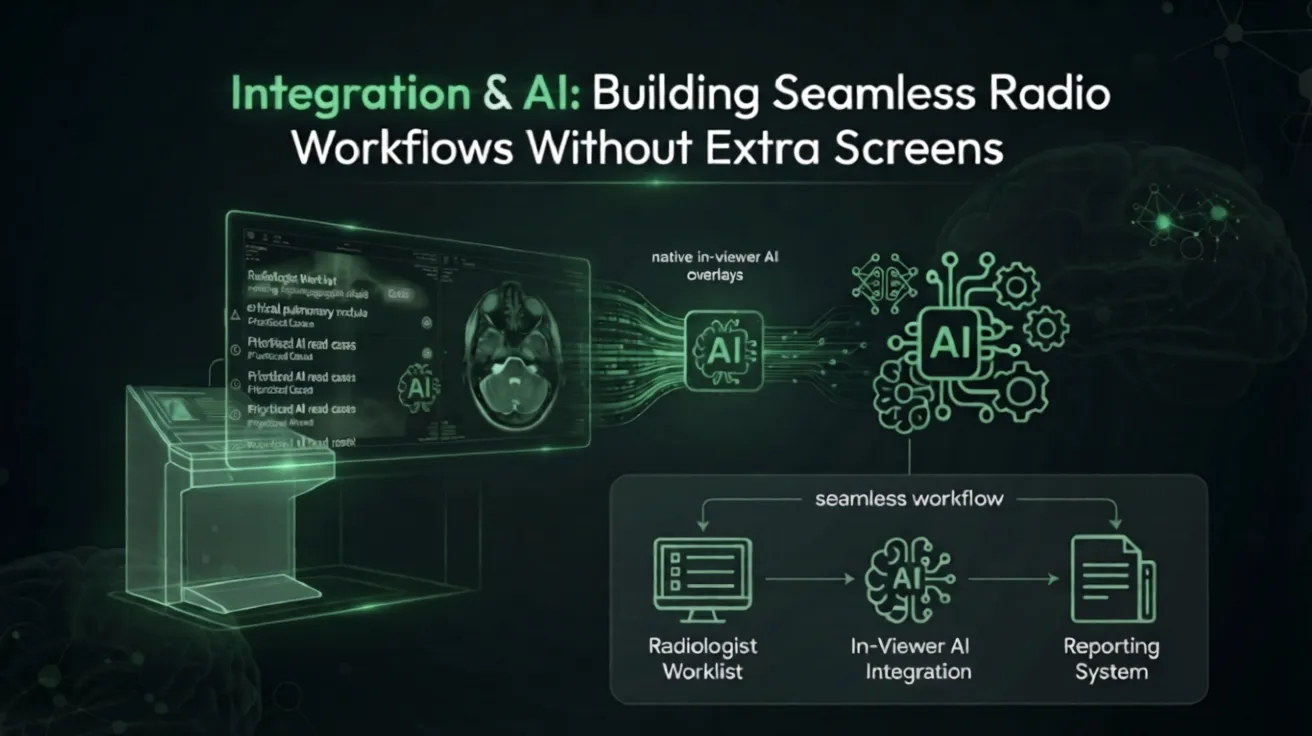
Smarter worklists

Instead of a flat queue where every study looks the same until you open it, an intelligent worklist can push the truly urgent cases to the top automatically — a possible bleed, a suspected clot — so radiologists aren't burning mental energy just figuring out what to read first.

Less manual searching

A huge chunk of a radiologist's day can go into digging up prior studies, comparing old reports, and cross-checking patient history. Workflow intelligence can pull all of that together automatically, so it's sitting right there instead of costing five or ten minutes per case.


Fewer repetitive keystrokes.

Structured reporting tools that auto-populate measurements and standard phrasing cut down on the tedious typing that adds up to real time and real fatigue across a full shift.

Better shift balance

When AI tools handle the sorting and triage, reading loads can be distributed more evenly across a team or across a 24-hour teleradiology network, instead of piling up unpredictably on whoever happens to be on call.

None of this is about cutting corners. It's about giving radiologists their attention back for the parts of the job where it matters most.

Why This Matters Beyond the Individual Radiologist

Burnout doesn’t just affect the person experiencing it. Tired, overloaded radiologists are more likely to leave the field, which shrinks an already thin workforce even further. That creates a feedback loop: fewer radiologists means more pressure on the ones who remain, which pushes more of them toward burnout too. Workflow intelligence won’t fix the shortage of radiologists on its own, but it can slow that spiral by making the existing workforce’s time go further without pushing people past their limits.

The Bottom Line

Radiology burnout isn’t a personal failing or a motivation problem — it’s a workload problem, and workload problems need workload solutions. Workflow intelligence gives radiologists back the time and mental bandwidth that used to go into busywork, so more of their energy can go toward the actual diagnostic work they trained years to do. That’s not just better for radiologists. It’s better for the patients waiting on an accurate, unhurried read.

Frequently Asked Questions

What is causing burnout among US radiologists?

Radiologist burnout is associated with factors such as increasing imaging volumes, long working hours, administrative demands, interruptions, staffing pressures, and repetitive workflow tasks. These factors can contribute to sustained workload and reduced time for recovery between cases.

How can workflow intelligence help reduce radiology burnout?

Workflow intelligence can reduce unnecessary workload by helping prioritize studies, automate repetitive tasks, surface prior imaging and relevant patient information, and support structured reporting. The goal is to reduce administrative and workflow friction so radiologists can focus more of their time and attention on diagnostic interpretation.

Can AI replace radiologists or is it designed to support them?

Workflow-focused AI is generally designed to support radiologists rather than replace them. AI can assist with tasks such as study prioritization, image analysis, measurements, and information retrieval, while the radiologist remains responsible for clinical interpretation and decision-making.