For years, AI in Radiology meant one thing: a tool that looked at an X-ray and said “maybe cancer, maybe not.” Useful, sure. But limited. A radiologist doesn’t just look at images — they juggle patient history, past scans, urgent cases, report writing, and communicating with other doctors. Old-school AI only handled a tiny sliver of that job.
Enter Agentic AI — and it’s a completely different beast.
Think of it this way: traditional AI is like a calculator. You ask it something, it answers, it stops. Agentic AI is more like a smart intern who can look something up, cross-check it with past records and draft a report— all without being told to do each step individually.
From "Just Looking at Scans" to Running the Entire Pipeline
So what exactly can an agentic AI do in a radiology department? A lot more than you’d expect.
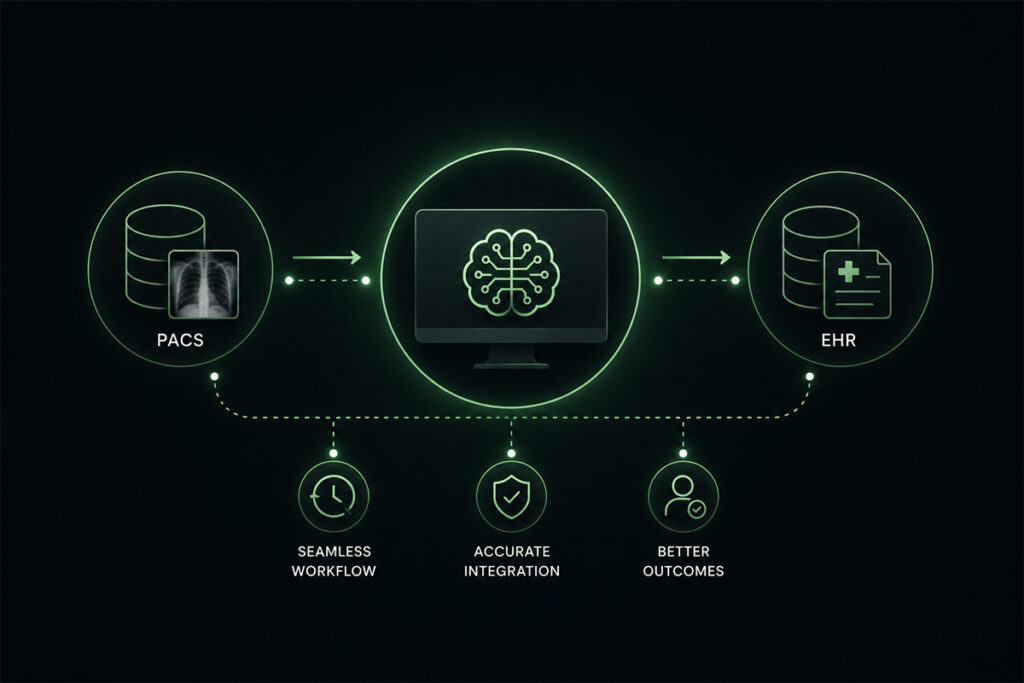
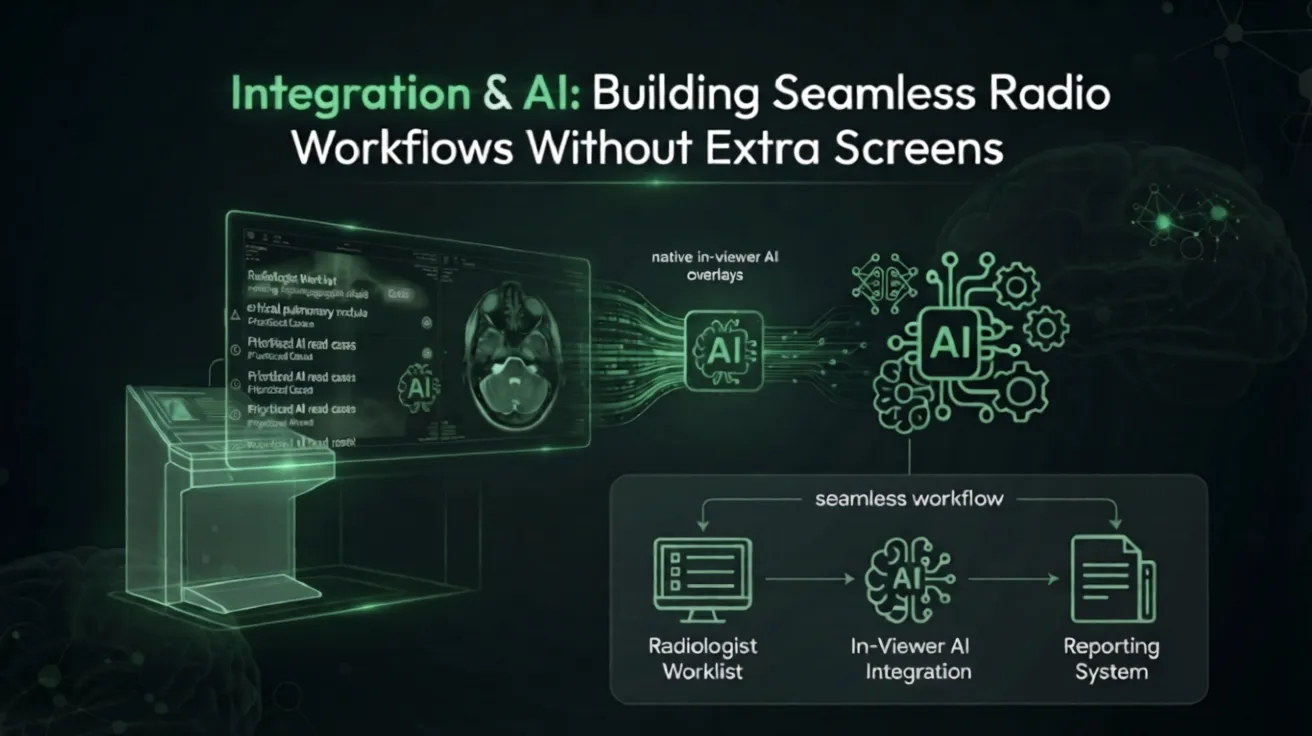
Multiagent systems can autonomously coordinate entire clinical workflows — from pre-acquisition protocol optimization through initial image analysis, specialized tool deployment, and preliminary report generation.
In plain English: the AI decides how a scan should be set up before it happens, reads the image, writes a first draft of the report, and flags anything urgent — all as one connected, intelligent process. Not five separate tools bolted together. One brain managing the whole pipeline.
Currently, 70% of MRI steps and 64% of CT workflow steps already have AI solutions available, and by 2030, researchers expect nearly every step to have some form of AI support.
The Difference Between "AI That Answers" and "AI That Acts"
Here’s the simplest way to understand the shift:
Old AI: You ask → It answers → Done.
Agentic AI: It notices → It plans → It acts → It checks itself → It reports back.
Agentic AI marks a shift from passive, user-triggered tools to systems capable of autonomous workflow management, task planning, and clinical decision support.
As Dr. Komal Gupta, Founder and CEO of UEVOLVEAi says, “Healthcare doesn’t need more disconnected tools — it needs intelligent systems that can think across workflows. Agentic AI is the next evolution in how radiology teams scale precision, speed, and patient care together.”
Agentic AI systems go beyond static knowledge limitations through persistent memory systems that maintain context across patient encounters, knowledge retrieval tools connecting to medical repositories, and the ability to navigate clinical software interfaces on their own.
It doesn’t forget what it saw in a patient’s scan six months ago. It doesn’t need someone to manually pull records. It connects the dots — the way a great clinician would.
40% Faster Reports. 60% Quicker Critical Alerts. The Numbers Are Hard to Ignore.
Let’s talk real-world results, because the data here is striking.
Studies show radiologists using AI tools are seeing a 40% reduction in report creation time and a 25% improvement in diagnostic consistency.
And for the cases where speed is literally life-or-death? Time-to-report for critical findings like stroke, pulmonary embolism, and sepsis drops by 40–60% with Agentic AI system in place.
It's Not Just Radiology — The Whole Clinical Chain Is Changing
Agentic AI doesn’t stop at the radiology department door. It’s starting to connect the entire care pathway.
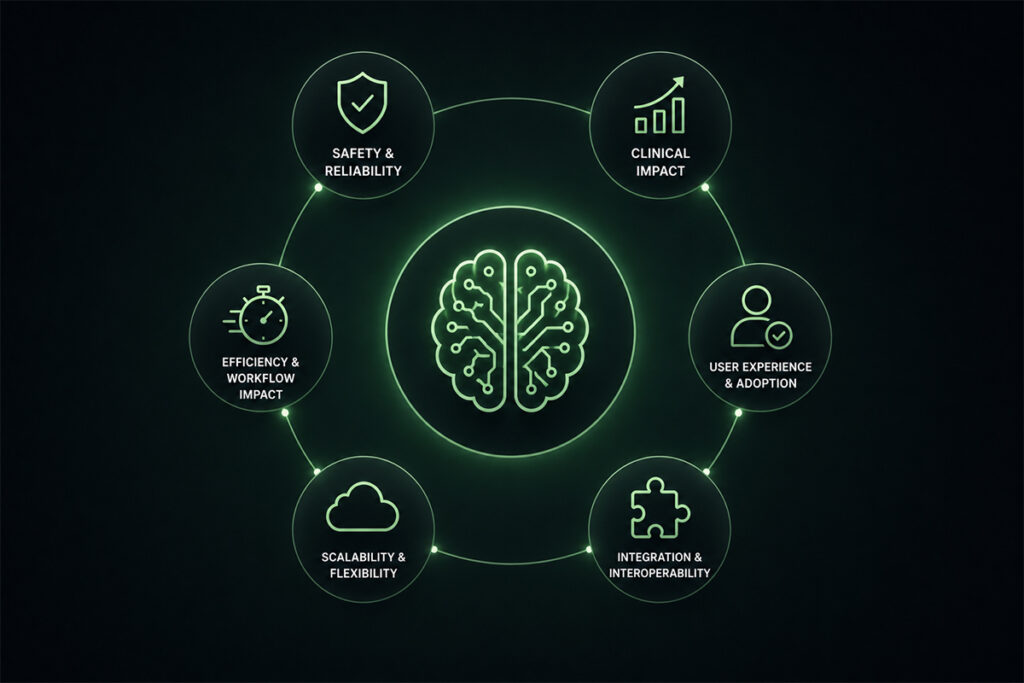
Researchers have identified five major themes in how Agentic AI is being applied: autonomous clinical decision support, workflow orchestration, multimodal image analysis, reporting and communications, and ethical guidance.
That last one — ethical guidance — matters more than people realize. These systems need built-in guardrails. Successful clinical deployment requires careful consideration and appropriate governance structures.
In other words: the technology is powerful, but deploying it responsibly requires planning, not just plugging it in and hoping for the best.
The Honest Truth: It's Impressive, But Not Perfect Yet
The good news is the field is actively working on it. Multi-agent systems are being designed so that one AI “agent” checks the work of another, similar to how a senior doctor reviews a resident’s assessment. Multi-agent frameworks enable cross-validation through role-based specialization, while retrieval-augmented generation strategies enhance accuracy by grounding responses in verified medical literature.
And right now? Most agentic AI implementations are still confined to research settings, pilot programs, or limited real-world deployments — which means it’s the perfect time to learn, pilot, and get ahead.
The Market Tells the Story: This Is Where Healthcare Is Going
The global AI in medical imaging market is projected to grow at a compound annual growth rate exceeding 35% by 2026
By mid-2025, the FDA had approved 873 AI algorithms for radiology use — making it the most AI-approved specialty in all of medicine.
85% of radiologists in the 2025 Future Health Index express optimism about AI in healthcare. The clinicians who work with this technology every day are believers.
What This Means If You're Building (or Buying) Healthcare AI
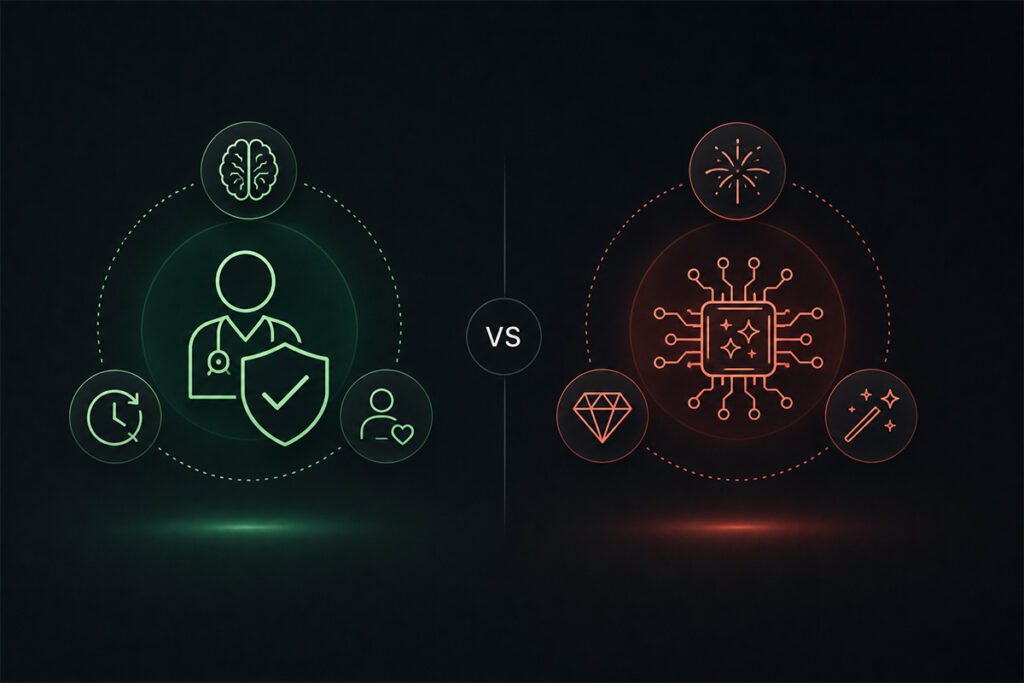
The takeaway here isn’t “AI will replace radiologists.” It won’t — and the research consistently shows that. The real story is smarter workflows, faster decisions, and doctors getting back to what they trained for: thinking, not just triaging paperwork. Radiologists now routinely collaborate with AI.
This is the model: human expertise + AI efficiency. Neither alone is enough.
If you’re in healthcare administration, clinical leadership, or building tools for medical teams — the question isn’t whether Agentic AI belongs in your workflow. The question is how fast you want to get there.
Frequently Asked Questions