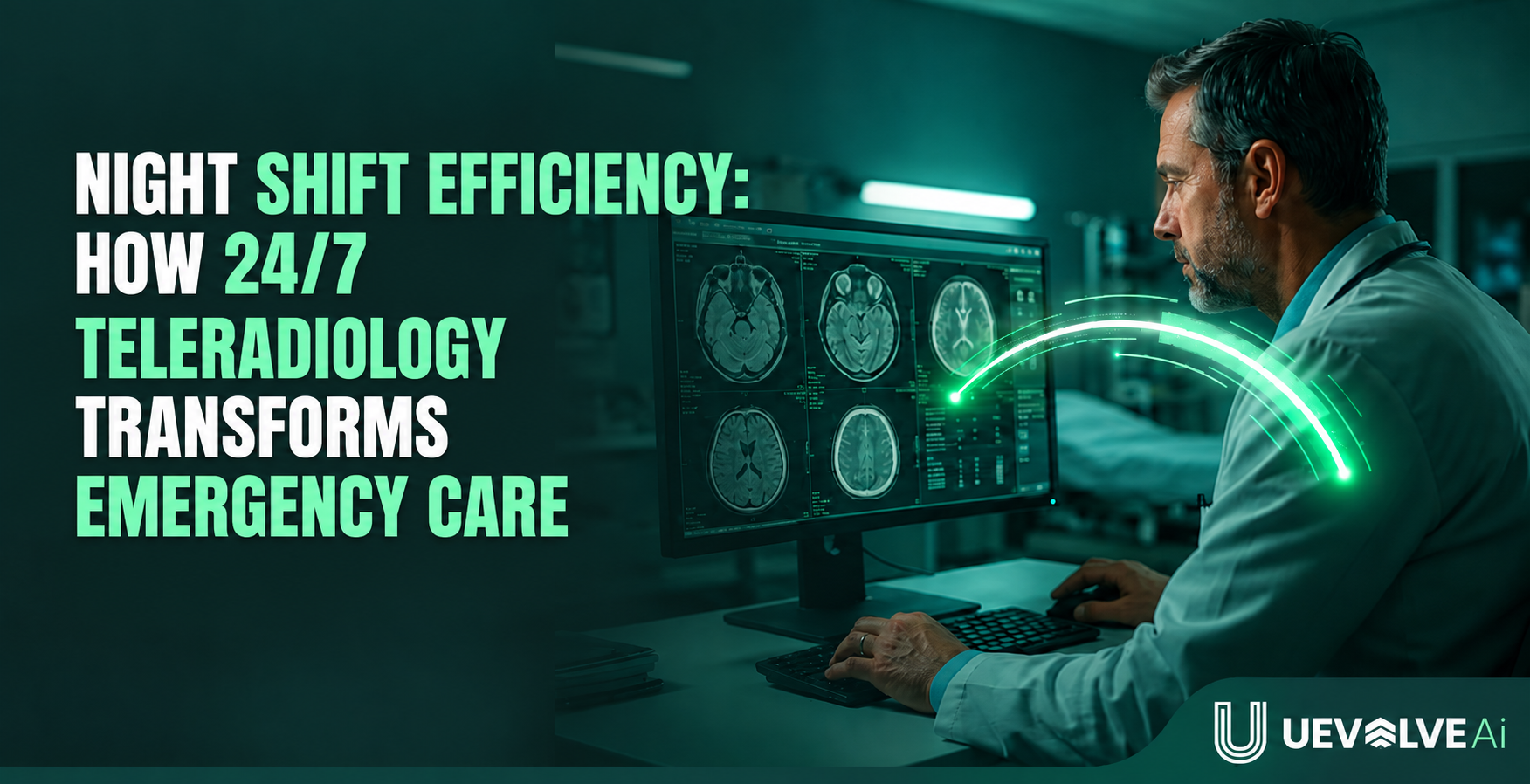
Night Shift Efficiency: How 24/7 Teleradiology Transforms Emergency Care
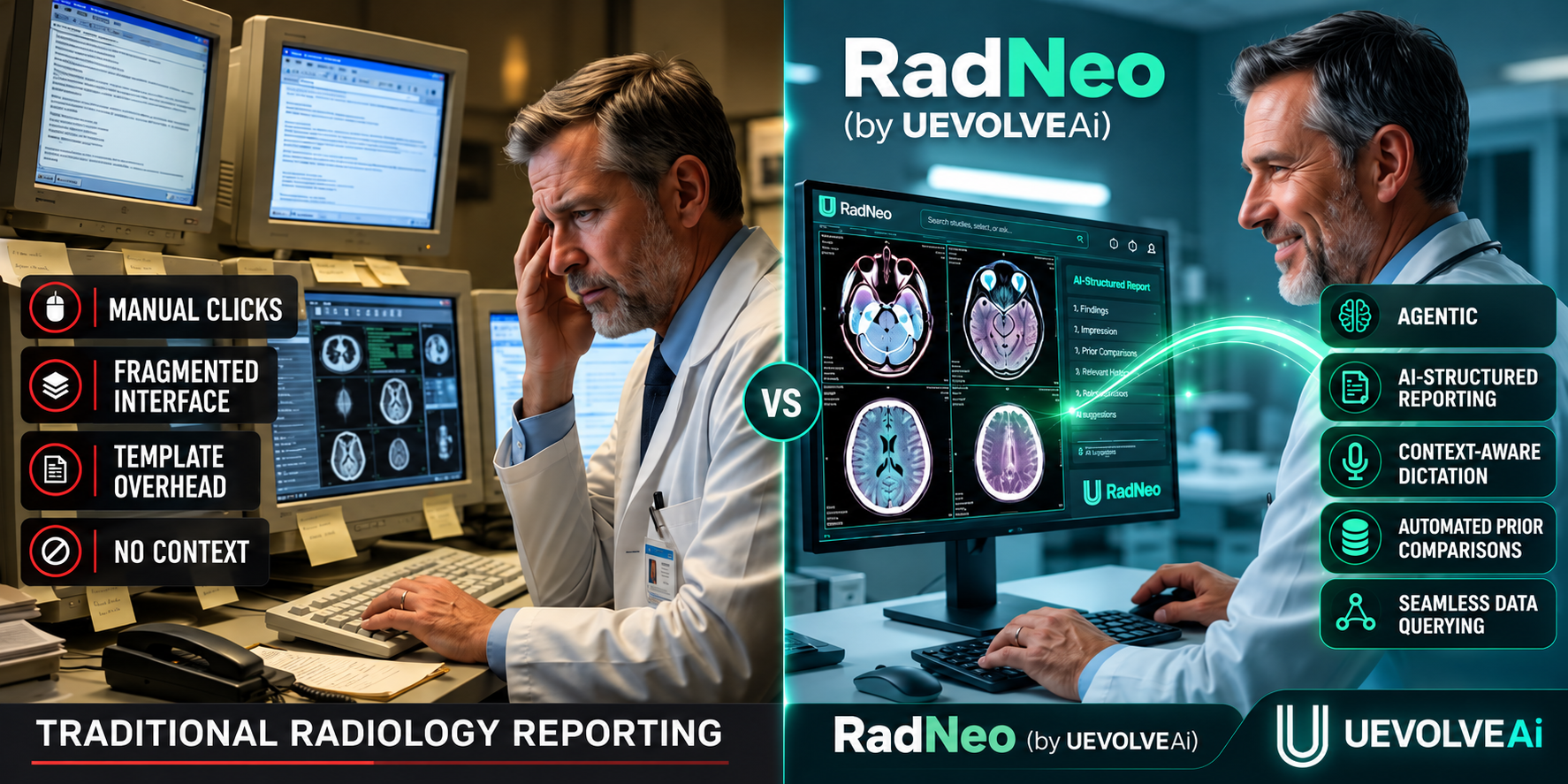
Emergencies don’t care what time it is. A bad accident or a sudden stroke can happen at 3 a.m., and the ER doctor needs someone to read the scan right away. That’s exactly what 24/7 teleradiology services are for. Expert doctors read your scans from a remote location, day or night, so no patient has to wait until morning. At UEVOLVEAi, our doctors use helpful tools like RadNeo to make reports quicker and clearer.
So, What Is Teleradiology?
It’s simple. When you get an X-ray, CT scan, or MRI, a special doctor called a radiologist reads it and explains what’s going on inside your body. With teleradiology, that doctor doesn’t have to be in the hospital. The scan is sent safely over the internet, and the doctor sends the report back, often within minutes.
Why Nights Are Tough for Emergency Rooms
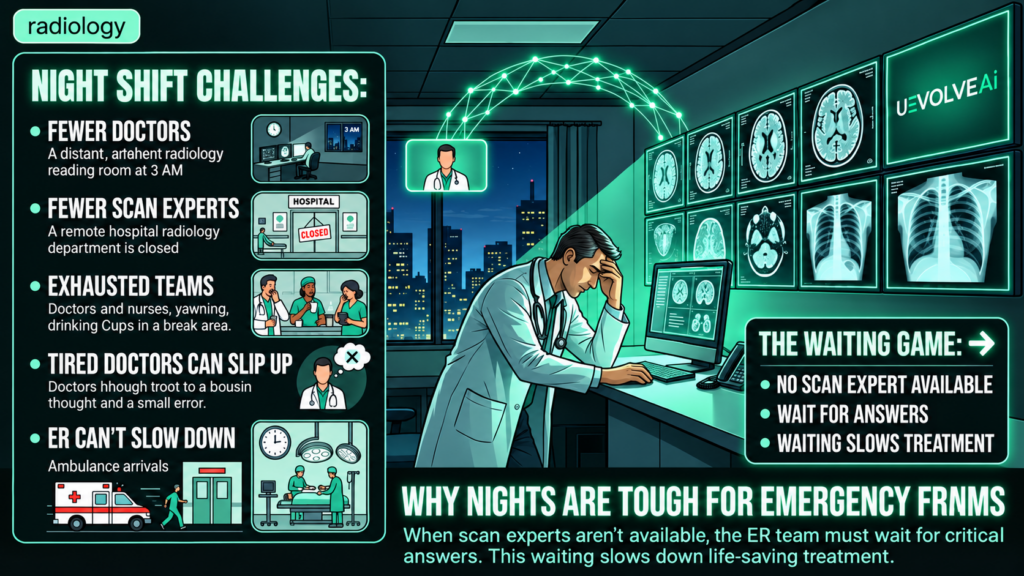
Most hospitals are busy all day, but nights are harder. Here’s why:
When there’s no scan expert available, the ER team may have to wait for answers. And waiting can slow down treatment.
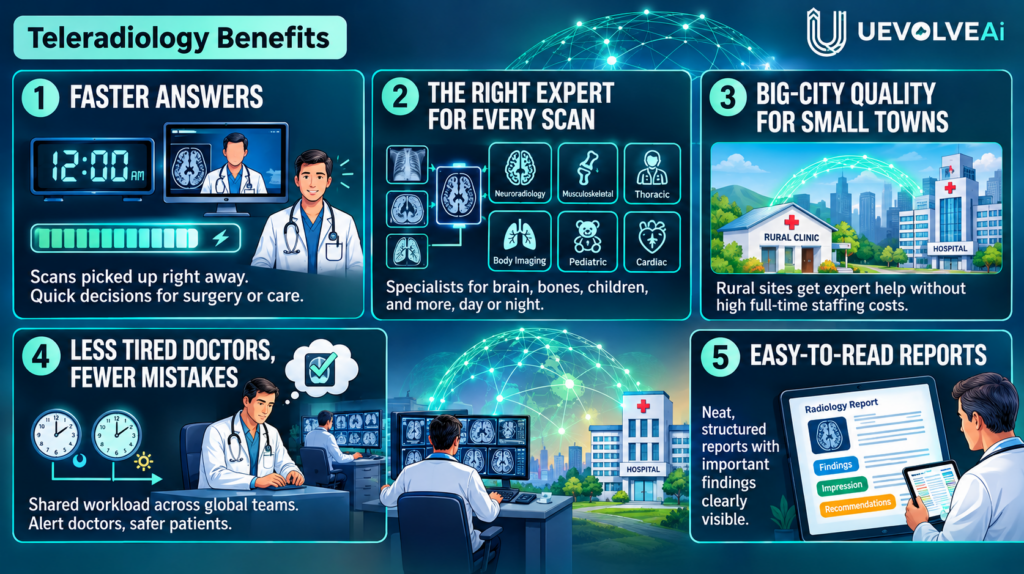
How 24/7 Teleradiology Helps
Where Does AI Fit In?
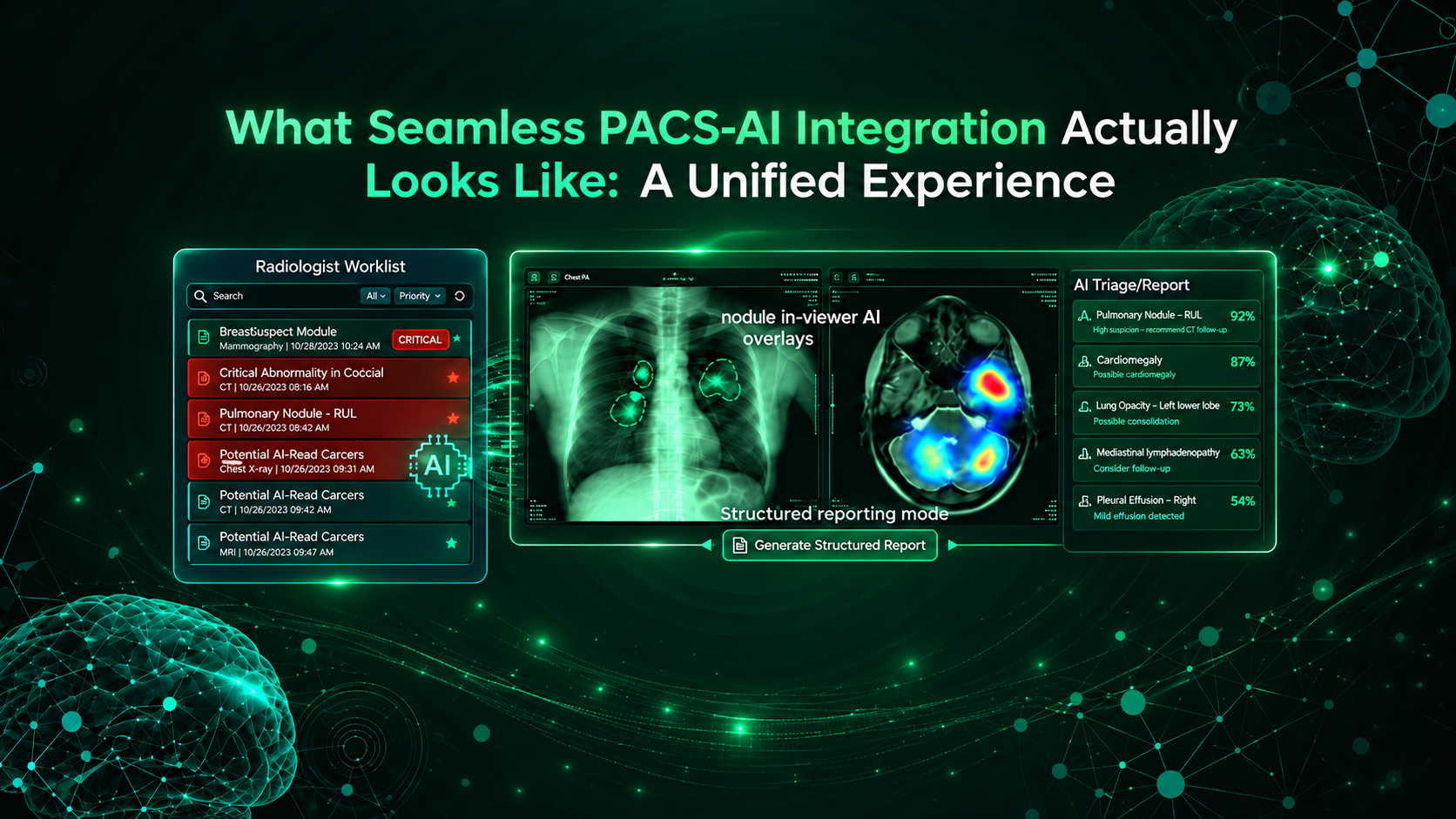
AI is not here to replace doctors. Think of it as a helpful assistant that handles the boring paperwork, like organizing notes and typing up reports. The doctor still looks at the scan and makes the final decision. This frees radiologists to focus on what matters most: the patient’s scan.
What to Look For in a Teleradiology Partner
If you run a hospital or clinic, ask these simple questions:
The Bottom Line
Night shifts will always be hard, but waiting for scan results doesn’t have to be. With 24/7 teleradiology, emergency teams get fast answers from expert doctors at any hour. That means quicker decisions, safer care, and less stress for everyone.
Frequently Asked Questions